Ladybugs and Wildflower: A Real-World Embroidery Review
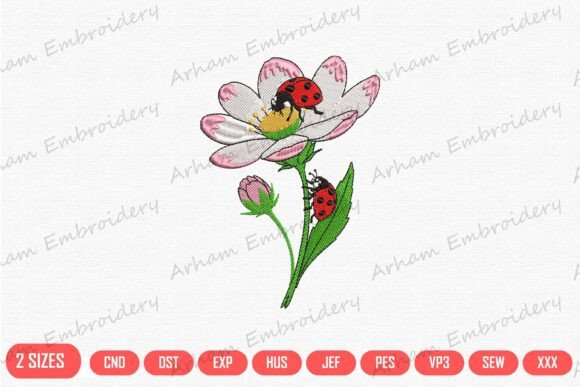
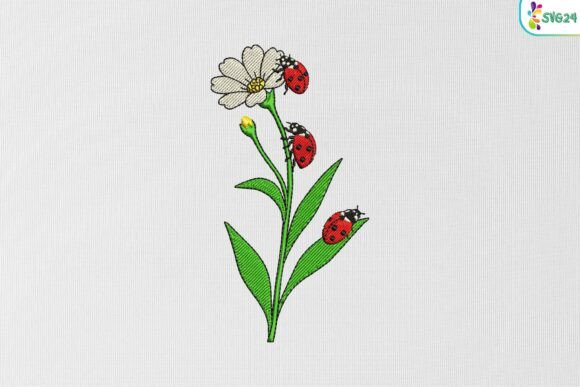
When I first opened the Ladybugs and Wildflower design file, I immediately felt its cheerful, garden-story mood. The layout gives you two vibrant red ladybugs resting among layered green leaves, with a single wildflower blooming just off-center. The composition feels balanced without being stiff, and the natural curve of the stems draws the eye gently across the piece. It’s the kind of machine embroidery design that makes you want to stitch it onto something soft and useful—a canvas tote, a linen apron, a baby’s cotton blanket. The personality is whimsical but not childish, which means it can work for a much wider range of handmade products than a strictly juvenile design.
I’m currently preparing a small batch of custom tote bags for a spring market, and I decided to test Ladybugs and Wildflower on a medium-weight natural beige canvas. My goal was to create a handmade product that felt like a botanical illustration come to life. Before loading the hoop, I spent time checking the thread colors against the canvas. The ladybug red needs to stay bright but not bleed visually into the darker green leaves. A slight contrast check in black and white helps here—if the ladybug bodies turn muddy in grayscale, the design might lose definition on a darker fabric later. On light canvas, the pop of red was exactly what I wanted.
First Encounter: The Design’s Visual Personality
This design belongs to the Single Flowers Plants category, and it behaves exactly like a standalone floral accent should. It doesn’t try to frame the entire project; it dominates a small area with quiet confidence. The ladybugs are the focal point, and the wildflower feels like a soft supporting note. The leaf shapes are simple but effective, with enough satin stitch edge definition to hold their own against the red fill. What I appreciate most is that the composition still reads clearly when scaled down to about 80% of its original size—though I’d never shrink it too far, because the tiny drawn-in antennae on the ladybugs can easily become a thread nest if the stitch density isn’t adjusted.
For a digital embroidery file meant to be used across multiple product types, this kind of visual clarity matters. Customers buying a personalized gift or a custom apparel piece notice whether the design looks crisp or muddy. Ladybugs and Wildflower gives you clean color separation, and the file I tested included a nicely placed running stitch underlay that kept the fills smooth on the canvas. If you’re planning to stitch this on a tote bag, a sweatshirt, or a baby onesie, you’ll want to run a test sample first, but the foundation is solid.
Putting It to the Test: A Spring Market Tote Bag
On the tote bag, I used a 5×7 hoop which gave the design enough breathing room. The hoop size you choose dramatically affects the final look. If the design is forced into a 4×4 without resizing, the leaf details and ladybug spots might feel crowded. I always check the actual dimensions of the file before purchasing—since the product description doesn’t list exact measurements, I’d recommend confirming them with the seller. On the canvas, the fill stitch areas on the ladybug bodies held up beautifully, and the satin stitched spots popped with just a single layer of thread. The leaves used a combination of satin and lighter fill, which gave them a slightly textured, living look.
One thing I noticed immediately: the wildflower center needed a little extra attention. Depending on the thread brand you use, the tiny running stitch details in the flower’s eye can sink into the fabric if you don’t have the right stabilizer. For canvas, I used a medium-weight cutaway stabilizer—no topping needed. But if I were to stitch this on a terry cloth kitchen towel, I’d absolutely float a water-soluble topping to keep the flower center from disappearing into the nap. That’s a small but critical designer note: test the design on the exact fabric you plan to sell, not just a scrap of quilter’s cotton.
Where the Design Fits Naturally
After stitching the tote, I mentally placed Ladybugs and Wildflower on about a dozen other products. It’s a natural fit for any tote bag design, but it also shines on pillow covers, tea towels, and aprons—anything with a flat, stable surface. The rounded, organic shape means it doesn’t fight the edges of a rectangular item. It would look lovely as a single accent on a baby blanket in the corner, or centered on a bib for a new baby gift. Because the design is so strongly spring- and summer-coded, it opens up a lot of holiday embroidery possibilities: Mother’s Day, Easter, garden party favors, or even a wedding gift for a nature-loving couple.
Flat Fabrics and Stable Surfaces
For custom apparel like a woven cotton shirt or a denim jacket, the design performs without any fuss. The relatively open leaf arrangement means the stitch area isn’t overly dense, so the fabric doesn’t pucker. I’d still recommend a good fusible mesh stabilizer for lightweight cottons, but you won’t need to fight the design every step of the way. On a cap, however, I’d be cautious. The curved surface and the small ladybug antennae don’t always play well together. I’d rather turn this into an embroidered patch and attach it to a cap, or use it on a flat cap front section if the design size allows.
Stretchy or Textured Materials
If you’re thinking about sweatshirt embroidery or baby clothes, the design needs a little more care. Knit fabrics can distort the satin stitched ladybug spots, and the tiny wildflower stem might look wobbly. A soft cutaway stabilizer with a temporary adhesive spray keeps everything in place. I would also increase the pull compensation slightly if your software allows it, especially on the red ladybug bodies. For baby embroidery on a stretchy onesie, I prefer to stitch the design onto a separate piece of woven fabric and then appliqué it on—that keeps the delicate details intact and avoids any roughness against baby skin.
Stitching Details That Matter
The thread colors you choose can make or break Ladybugs and Wildflower. On light fabric, the default red, green, and soft pink (or yellow) create a fresh, garden feeling. On dark fabric, like a navy tote or a black apron, the red might need a white underlay to keep it from looking dull. I always test the design on both a light and dark scrap before committing to a batch of finished products. The leaf green also needs to be adjusted—on a dark background, a slightly brighter, almost lime green works better than a deep forest green, which can disappear.
Stitch density is another factor. The ladybug bodies use a dense fill, which is great for coverage but can feel stiff on thin fabrics. If you’re making a baby blanket, the stiffness might be noticeable. You can often reduce the density slightly in your embroidery software, but I’d recommend stitching a sample first. The small white spots on the red bodies are pure satin, and they stitch beautifully as long as your needle is sharp and your tension is correct. I’d replace the needle if it’s been through more than eight hours of stitching—small details demand precision.
Designer Notes Before You Stitch
Whether you’re a craft business owner, an Etsy seller, or a hobbyist building a gift inventory, there are a few practical steps I always take before using a new embroidery file like this one:
- Test on scrap fabric that matches your final product exactly—same weight, same weave, same color.
- Check thread color contrast in both color and black-and-white mockups. A printable mockup of the design placed on a product photo helps you spot blending issues fast.
- Inspect small details—the ladybug antennae, the wildflower center—under good light after stitching. If they look weak, adjust the tension or add a thin underlay.
- Confirm hoop size and file format compatibility. The description doesn’t specify dimensions, so reach out to the designer if needed. For a commercial embroidery project, you can’t afford a surprise.
- Use the right stabilizer. For tote bags, cutaway; for towels, water-soluble topping; for knits, fusible mesh.
- Check the license. If you plan to sell the finished product, make sure the digital embroidery file license allows commercial use. Many designs are for personal use only unless you purchase a commercial license.
Even if you’re just making a single personalized gift, these steps save you from a ruined blank and a frustrating afternoon. The design itself is well-digitized, but no digitized file is immune to fabric and machine quirks.
The Product Value for Small Shops
From a small shop product perspective, Ladybugs and Wildflower brings a lot of warmth to a listing. The nature theme is perennially popular, and the ladybug motif has a quiet, nostalgic charm that appeals to a wide audience. When I photograph a tote bag with this design, I can already imagine the listing title: “Hand-Embroidered Ladybug Tote, Spring Garden Bag.” The design photographs well because the red draws the eye, and the green leaves frame the scene naturally. For design assets used in mockups, it’s a strong candidate for spring and summer collections.
For an Etsy seller or a craft fair vendor, the design’s versatility means you can offer it on multiple product types without spending extra on new files. You can stitch it on a set of kitchen towels, a child’s apron, a pillow cover, and a tote bag, and each product feels intentional. The visual consistency builds brand consistency. Customers who buy a garden-themed baby gift might come back for a matching hostess towel. That kind of product coherence is gold for a craft business.
One thing I do caution: because the design is so strongly associated with spring and gardening, it might not sell as well in the winter months unless you lean into the “planning for spring” angle. However, I’ve seen ladybug designs do well as holiday embroidery for Mother’s Day or as a “thinking of you” gift. The key is to present it with the right product styling—fresh flowers, natural light, soft linens.
Final Thoughts on Project Versatility
Ladybugs and Wildflower is the kind of design that makes you reach for your hoop when you need a quick, charming project with broad appeal. It doesn’t demand a complicated fabric setup, and the finished piece looks far more intricate than the stitch time suggests. Whether you’re building inventory for a spring market, creating a personalized gift for a garden lover, or adding a nature accent to your custom apparel line, this design earns its place in your digital library. Just remember to test it with your own machine, your own thread, and your own blank—because every embroidery setup is a little different. If you take that extra step, the result is a beautifully stitched ladybug scene that feels like a tiny celebration of nature on whatever you make.