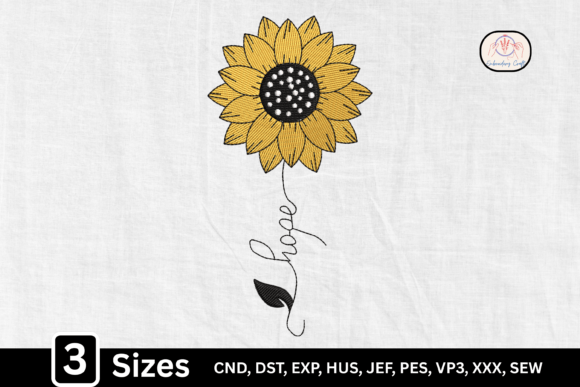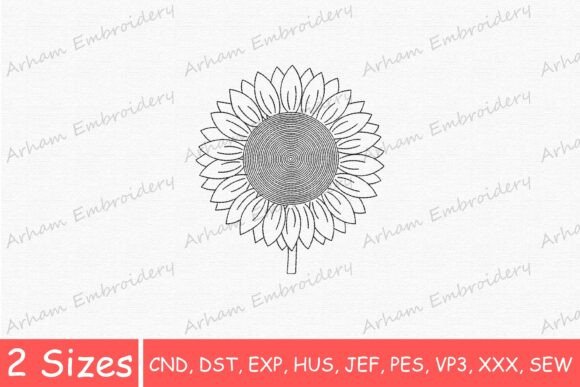
Simple Sunflower Line Art
A Designer’s First Stitch: Warm, Modern, and Quietly Meaningful
As an embroidery designer who’s tested hundreds of floral motifs for personalized gift shops and Etsy sellers, my first impression of Simple Sunflower Line Art was immediate: it breathes. Not loud or busy—but calm, confident, and full of quiet intention. This isn’t a botanical illustration or a hyper-detailed bloom; it’s a distilled sunflower—clean lines, balanced curves, open center, and just enough gesture to feel alive. It lands somewhere between modern minimalism and heartfelt handmade charm. Customers don’t just see a flower—they feel warmth, resilience, and gentle optimism. That emotional resonance is gold for personalized gifts.
Where This Design Truly Blooms: Real Uses for Real Customers
Simple Sunflower Line Art shines brightest where simplicity meets sentiment. Think baby embroidery on a muslin swaddle or organic cotton onesie—it reads as tender and timeless, never cutesy or dated. For wedding gifts, it elevates linen napkins, cotton pillow covers, or hand-stitched guestbook sleeves with understated elegance. As a nursery decor piece? It’s perfect for framed hoop art or stitched onto a neutral-toned blanket—soft enough for a baby, sophisticated enough for the parents’ aesthetic.
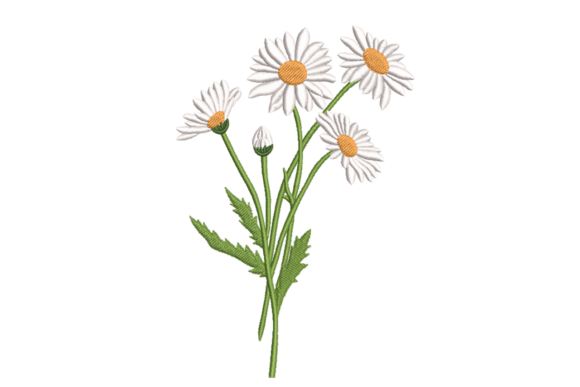
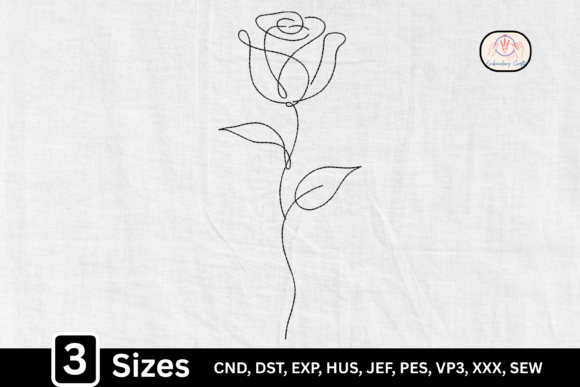
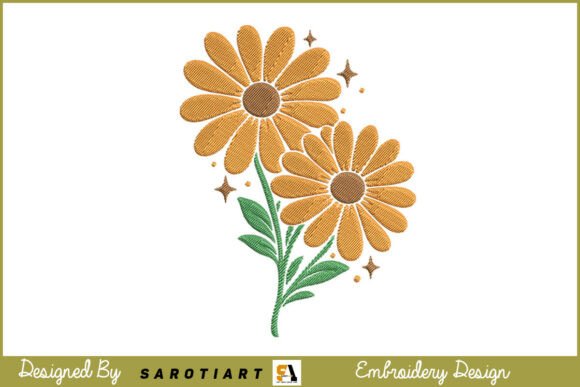
Small shop owners will love how effortlessly it adapts: embroidered on a canvas tote bag, it becomes a daily reminder of joy; on a flour-sack kitchen towel, it adds quiet character without competing with function; on an apron for a baker or florist, it feels personal and professional. Even craft fair vendors can use it as a low-risk, high-appeal option—quick to stitch, easy to photograph, and instantly recognizable as handmade. And because it’s rooted in the Single Flowers Plants category, it pairs beautifully with other minimalist botanicals—think lavender sprigs or olive branches—without visual clutter.
When to Pause—and Stitch with Intention
This design is elegant, but not universally forgiving. Its strength lies in clarity—so avoid using it where that clarity gets lost. Don’t place it on heavily textured fabric (like thick terry cloth towels) without testing stabilizer layers first—the lines may blur or snag. Skip stretchy baby clothes unless you’re using lightweight cutaway stabilizer and a walking foot; the clean outline needs stability to hold its shape. Curved surfaces—like mugs or rounded pillow forms—require careful hooping or repositioning to prevent distortion.
On dark fabric, contrast becomes critical: light thread colors must be chosen deliberately, and stitch density should be confirmed before production. If your version includes fine center details (dots, tiny petals), test them at actual size—some machines struggle with ultra-thin line work under 0.8mm. And while Simple Sunflower Line Art is built for durability, frequent washing still demands attention: recommend cold gentle cycles and air drying for finished products like blankets or towels to preserve crispness over time.
Why It Makes Gifts Feel *More*
Personalized gifts succeed when buyers feel seen—not just by name, but by mood and meaning. Simple Sunflower Line Art delivers that quietly. Its modern restraint signals care and intention, raising perceived value without raising price. Customers trust handmade products that look polished and purposeful—and this design delivers both. On product photography, it photographs cleanly against neutral backdrops, making mockups pop without heavy editing. That translates directly to higher engagement: Etsy sellers report stronger click-through rates on listings featuring clean line-art embroidery, especially when paired with soft lifestyle shots (a sunflower-stitched towel draped over a rustic sink, a baby blanket folded beside sunlit floorboards).
For wedding gift designers or baby product creators, it also builds emotional connection fast. A sunflower carries universal symbolism—loyalty, adoration, longevity—making it meaningful without needing explanation. That unspoken resonance helps customers say “yes” faster, especially when gifting for milestones.
Practical Notes Every Embroiderer Should Check
Before stitching your first customer order, treat Simple Sunflower Line Art like any trusted tool—test, verify, refine:
- Test on scrap fabric that matches your final product—cotton, linen, knit, or terry—to assess stitch behavior and stabilizer needs.
- Check thread color contrast on both light and dark fabric swatches. Some pale golds or creams disappear on ivory; others glow.
- Confirm hoop size compatibility—especially if stitching on curved or narrow items like apron pockets or onesie hems.
- Review stitch density. Minimalist doesn’t mean sparse—if density is too low, the lines may look broken or fragile.
- Use proper stabilizer: tear-away for stable wovens, cutaway for knits or towels, and water-soluble for delicate top layers.
- Compare light and dark fabric mockups side-by-side—not just for color, but for how the line weight holds up visually.
- Inspect small details after stitching: center dots, petal tips, stem ends. Are they crisp? Do they read at 3–4 inches wide?
- Verify commercial licensing before selling finished products. If you’re an Etsy seller or small shop owner, confirm whether your digital embroidery file permits commercial embroidery use—this is non-negotiable for legal peace of mind.
Remember: Simple Sunflower Line Art isn’t just another machine embroidery design. It’s a quiet invitation—to slow down, choose meaning over flash, and make personalized gifts that feel as thoughtful as they look. Whether you’re stitching a baby blanket for a friend, curating a bridal collection, or building your next best-selling handmade product, this sunflower reminds us that sometimes, the simplest line says the most.